
01
RFID card
It verifies the card holder, but not whether the holder is the authorized user.
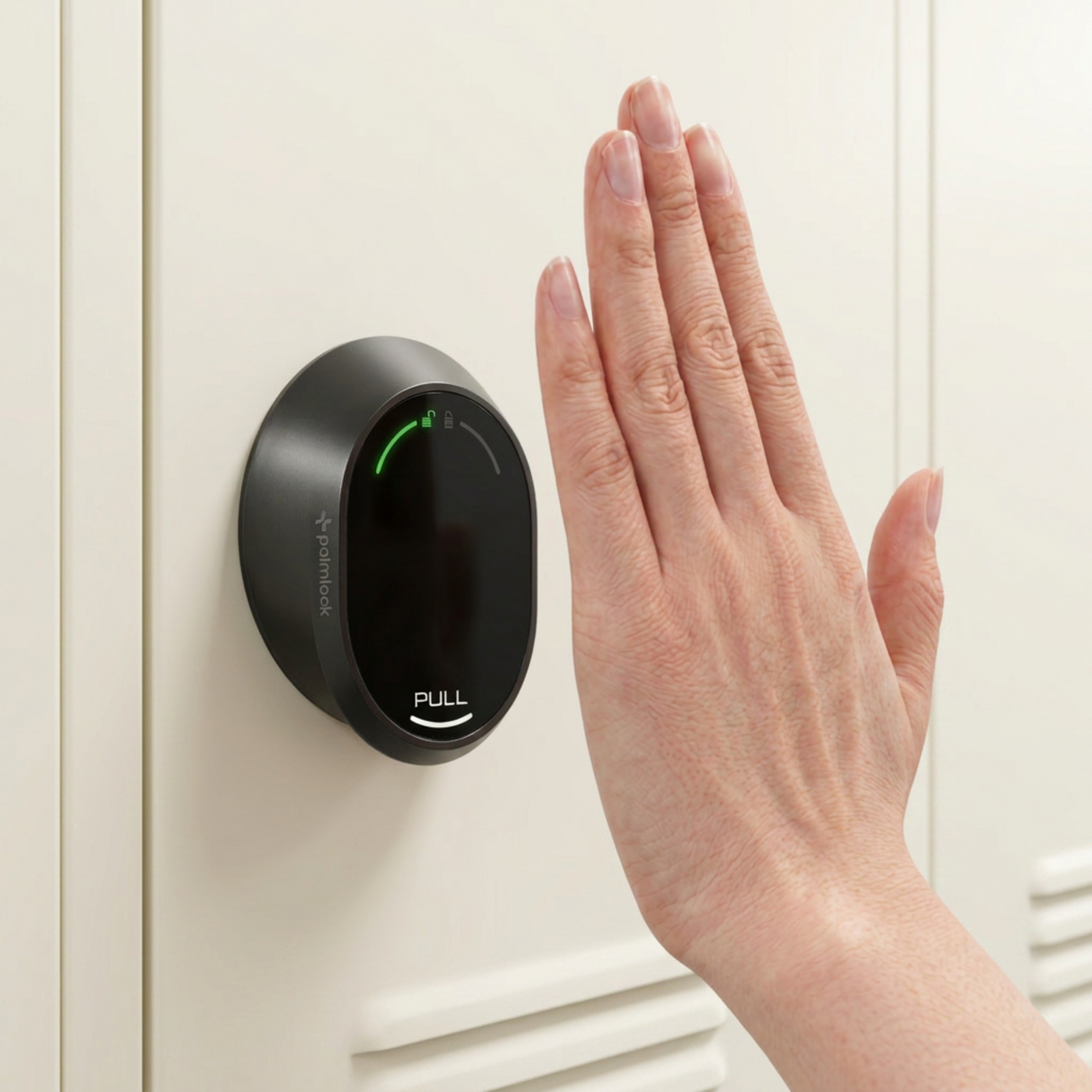
Cards, PINs and keys can be handed over, lost or exposed. Palmlock directly verifies the user through contactless palm vein authentication for lockers and storage cabinets.
The core issue behind locker theft and complaints is not only lost keys. If the system cannot verify the actual user, card handover, shared PINs and master-key risks remain.
Is the person opening this locker the authorized user?
It verifies the card holder, but not whether the holder is the authorized user.
Anyone who knows the number can open it, and PINs can be shared or exposed.
Loss, duplication and internal access risks place the burden on operators.
Contact is required, and sweat, moisture or worn skin may affect usability.
Locker rooms and changing areas can create privacy and environment concerns.
Cards, PINs and master keys do not directly confirm whether the person opening the locker is the authorized user. Palmlock verifies the registered user through contactless palm vein authentication.
Palmlock recognizes internal palm vein patterns without contact and verifies the registered user directly.
Cards, PINs and keys can grant access, but they do not directly verify the actual user.
| Item | RFID card | Keypad PIN | Key | Palmlock Palm vein |
|---|---|---|---|---|
| Loss, duplication or swap risk | HighCard cloning risk | HighShoulder-surfing risk | PresentCopy or swap possible | NoneNo carried credential |
| Contactless hygiene | X | X | X | O10–30cm contactless authentication |
| Credential sharing prevention | X | X | X | OUser's palm vein authentication |
| Forced opening alarm | X | X | X | OAlarm sound on forced opening |
| Access log and theft tracing | X | X | X | OTraceable through access logs |
| Smartphone app integration | X | X | X | OUser, permission and log management |
Palmlock is not a door access terminal. It is designed as a compact user-verification lock for locker and cabinet doors.
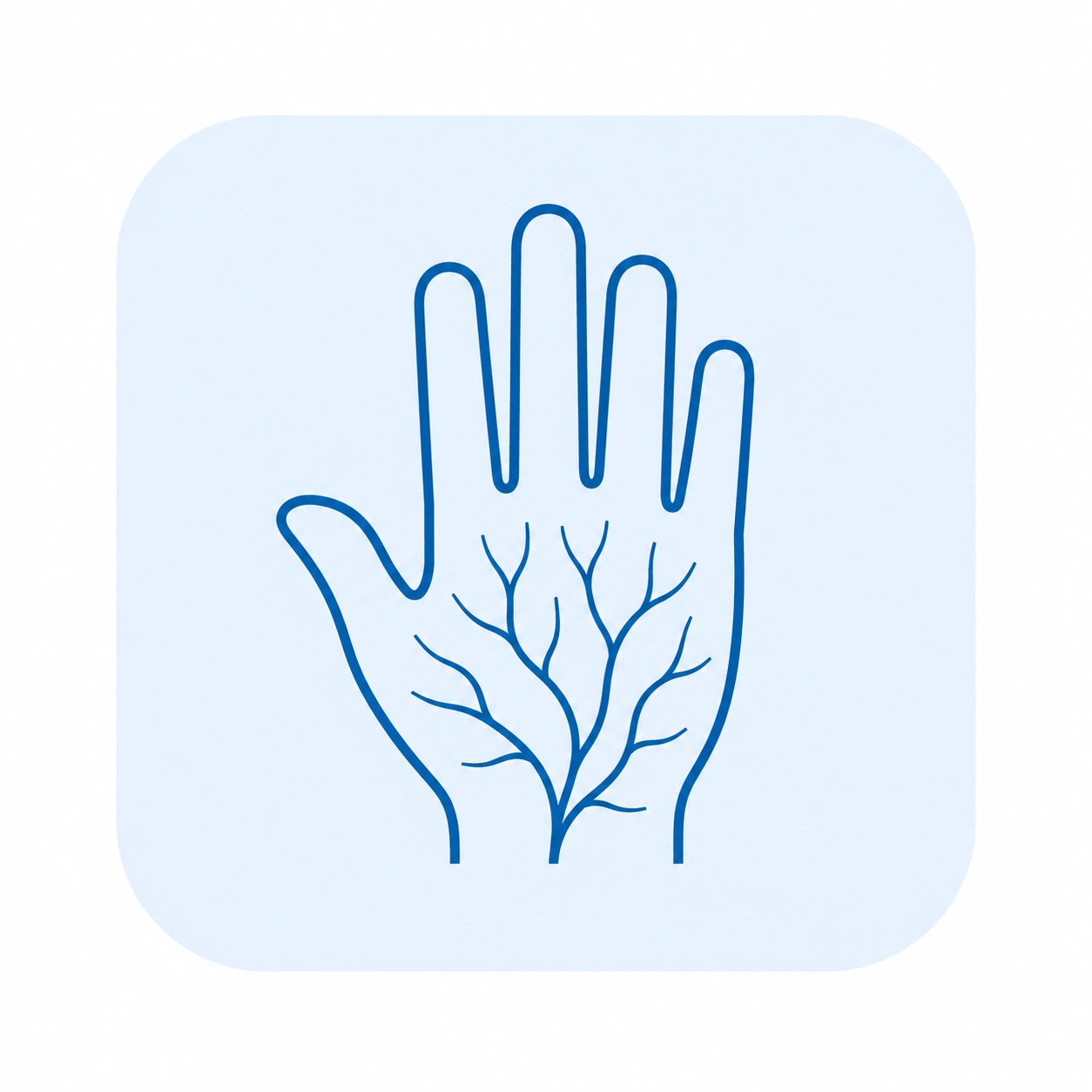
Authenticates users based on internal palm vein patterns, not surface features.
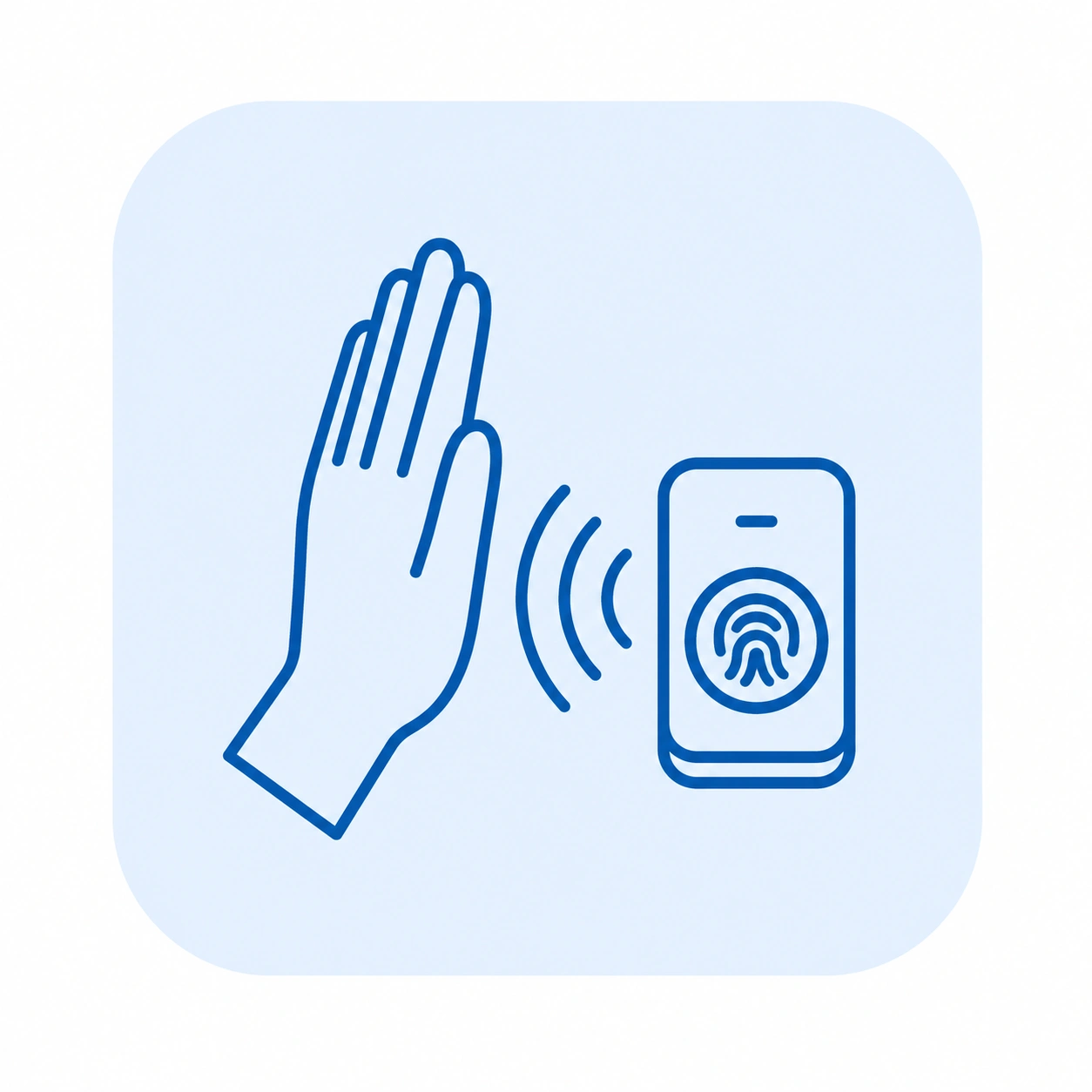
Provides a contactless use experience by placing the palm near the device.
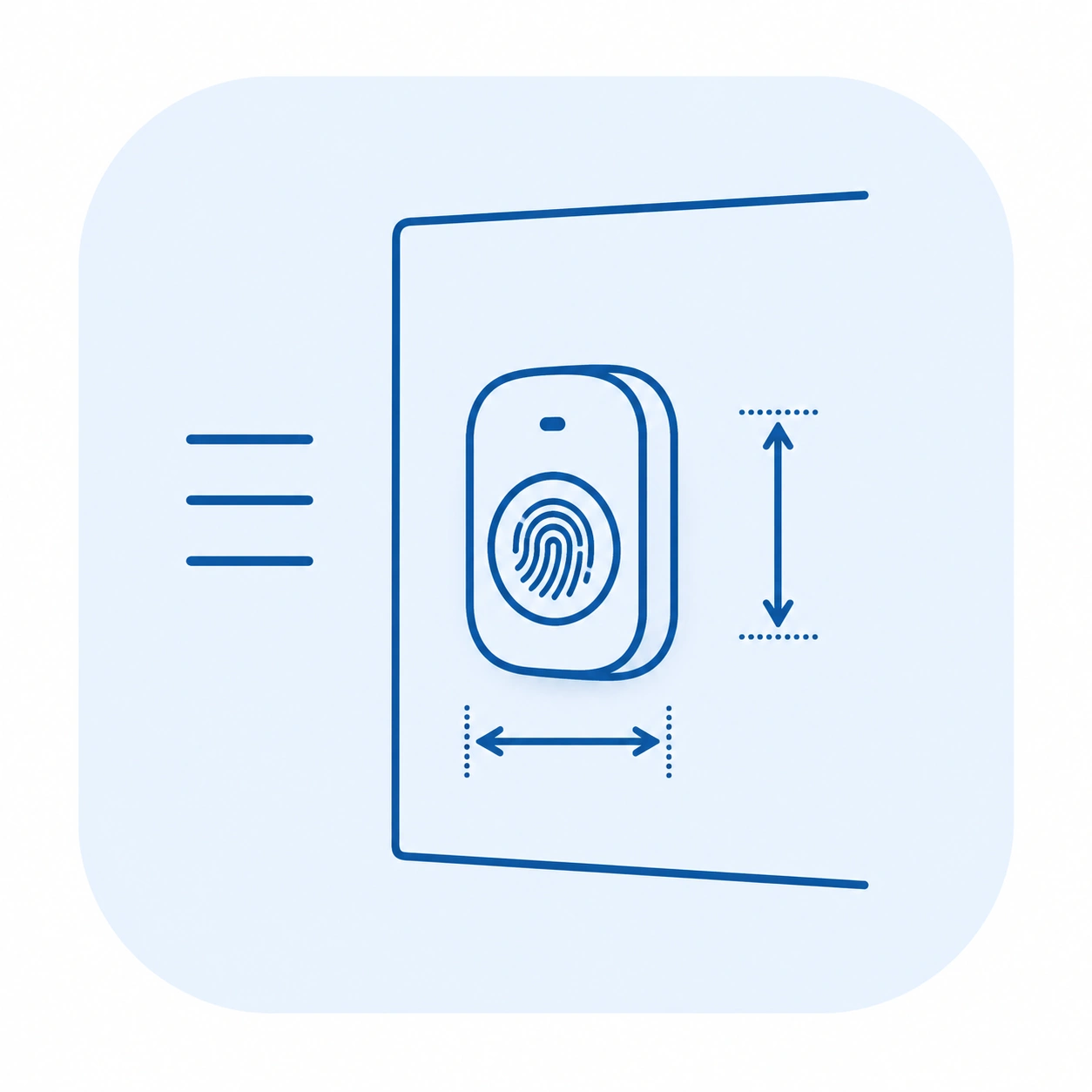
Approx. 74 × 79 × 23mm, designed to sit naturally on locker and cabinet doors.
The lock operates independently without server or internet connection, while the manager app uses NFC/BLE direct on-site communication for setup and management.
Supports user registration, deletion, permission control and emergency operation.
Glossy black front and dark metallic housing for premium locker environments.
In public mode, the palm template is used only while the user occupies the locker. When the same palm is authenticated again, the door opens and the temporary template is deleted for the next user.
Palmlock supports public, personal and group modes, allowing facilities to adapt operation from one-time users to fixed users and group-based permission control.

Palmlock public mode is designed for lockers used by many different users throughout the day.
The user places belongings in an empty locker or cabinet and closes the door.
The first palm authentication registers a temporary template and locks the door.
The same palm is authenticated again to verify the user and unlock the door.
After opening, the temporary template is deleted and the locker returns to empty status.
Palmlock reduces dependence on RFID master cards or physical manager keys. Authorized staff can manage users, permissions, emergency opening and logs through an on-site smartphone app.
Reduce the burden of carrying, issuing and recovering physical manager cards.
Register, delete and update users and locker permissions through the app.
Authorized staff can respond to user issues and exceptional cases through the app.
Access logs can support tracing in case of theft claims or operational disputes.

Where valuables, critical assets, medicine, samples or tools are stored, the key issue is not only locking the door. It is knowing who opened it.

Protect lockers that may contain luxury watches, wallets, car keys and jewelry where loss can quickly become a high-value claim.

Reduce loss complaints and brand risk in spaces where members store phones, wallets, watches and car keys during workouts or showers.

Let patients store and retrieve personal belongings through their own authentication instead of staff custody.

For expensive reagents and research samples, not knowing who opened the cabinet can be the bigger issue.

Record responsible users for precision tools, measuring equipment and mold parts to reduce loss and production delays.

Store employee belongings, work devices and valuables with user verification instead of keys or PINs.
Palm vein recognition uses internal vascular patterns. It reduces face-capture concerns and does not require fingerprint contact, enabling user-based locker operation.
View Technology